Keep an eye on the Pine
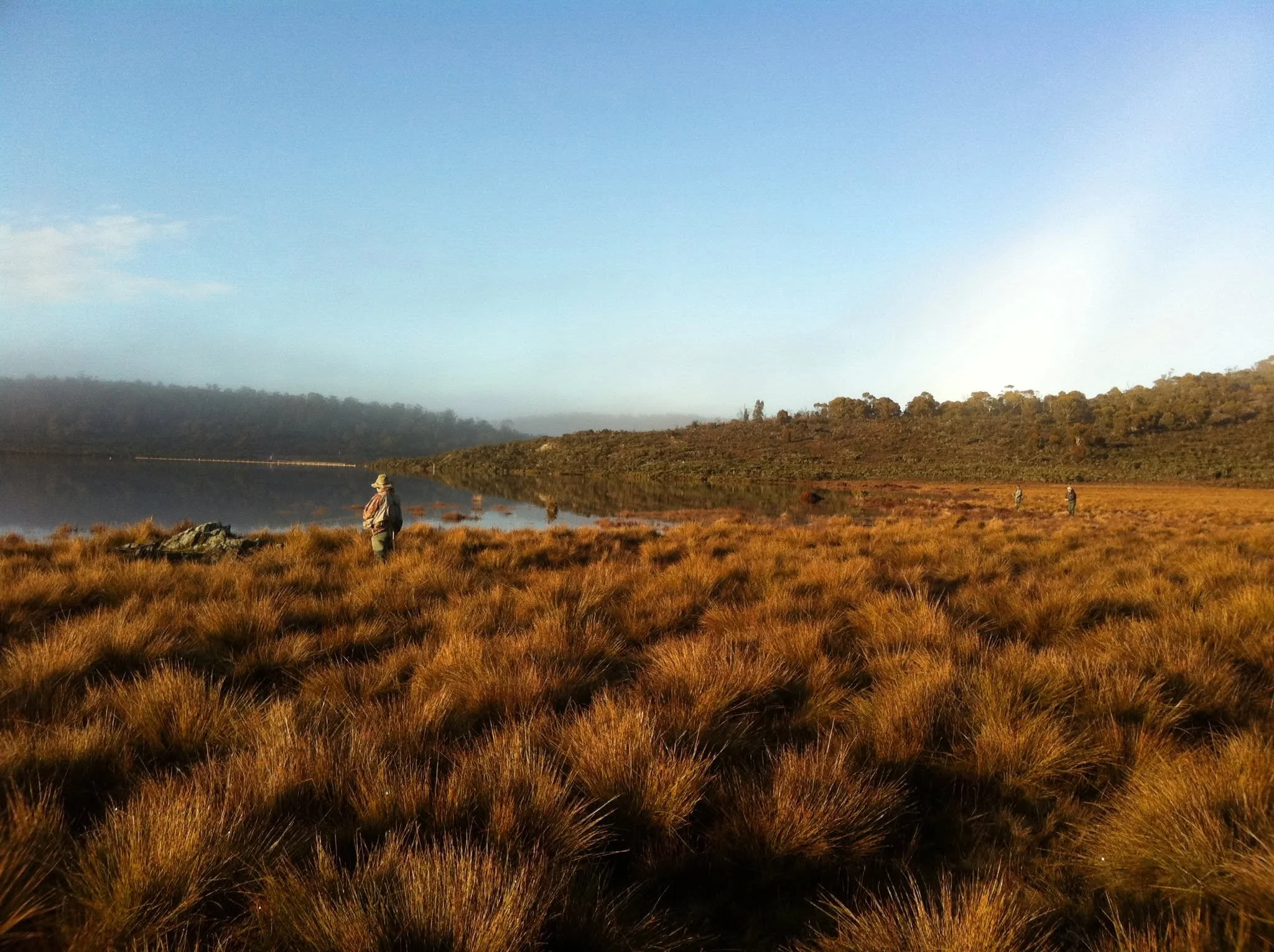
Little Pine Lagoon - stand back and watch
Little Pine Lagoon is one of the most revered fly fishing waters in Australia. Ever since the dam was built in 1954 to divert the waters of the Little Pine River into Lake Echo it has pulled anglers from all over the world. Its fortunes have ebbed and flowed since anglers first hunted shallow water feeding trout there in 1956, but one thing has remained constant – when heavy rain falls and the level spills over the dam, the trout go a bit silly.
I think it was about 15 or 16 years ago when Nicole and I were still living at Miena that my late good mate Phil Potter mentioned that the Pine had flooded and trout were in the shallows everywhere. Heading out the next morning we filled our boots with hard feeding trout on dry flies - all in the second week in August!
The recipe is very simple for success – the lagoon needs to be spilling and either still on the way up or leveling out before the inevitable dropping of the level. With the Lagoon levels instantly available on the Hydro website and very accurate rainfall predictions accessible to anyone with a smart phone, planning an attack on the Pine as the levels tipple over the dam wall is reasonably straightforward.
The main catchment for the Pine is to the north west of the Lagoon across the 19 Lagoon region and into the Walls of Jerusalem. Basically, if it is going to rain heavily on the north west coast and onto the plateau, a lot of that water will flow south into the Little Pine River and into the Lagoon.
If the Pine is around 0.7 of a metre below full or higher, and over 50mm of rain is predicted to fall in the catchment, it is likely that the Pine will spill or get very close. Getting the timing right is another issue, but hey, this is fishing, not rocket surgery! For example, if it rained heavily in the catchment on Wednesday, by Friday the Lagoon should be pretty full.
So, the planets have aligned and the Pine is filling and looking to spill. What now? The simplest thing is to pick a shore, any shore and go looking. I have been lucky enough to fish the Pine in these circumstances quite a few times. I’ve fished the Untouchables Shore, the Road Shore, Tailers Bay, Scottys Bay and the shore right in front of the shacks when the lagoon spills. There are fish to be found on all of them when the level is full. If you don’t mind a bit of company, park at the dam and wander around the Untouchables along to Senators Rocks. Otherwise, pick a shore according to the wind and wander off.
What to look for.
This is not classic tailing at Little Pine when the trout are sniffling small scud off the bottom. This is shallow water foraging where trout are feeding voraciously on worms, beetles, spiders, bugs and your size 12 dry fly. You should be looking for swirls and dimples, dorsal fin wobbles and nervous water. These trout are feeding on anything and will take a dry fly as readily as anything else. Fishing dry will be the simplest way, as fishing wet will often prove frustrating, as your sub-surface fly will catch every little bit of weed, remembering that you are fishing in water less than 30cm deep.
Stand well back from the edge, not so far back that you can’t see what is happening, but at all costs stay out of the water. Once you see a trout moving, take a deep breath and watch what direction it is heading. When it is quite windy, they can be quite fidgety, moving in and out of the shallow water quickly, but when it is reasonably calm, they will doodle around in there for ages. Until they get spooked or hooked!
Drop your dry about three feet in front of them – they will hear it land and have a look. When they take it, (trout take flies, I hate the term ‘eat’) give them time to turn down, then lift and you are off to the races at Geebung!
Flies
Fly selection is simple. I habitually use a Claret Carrot or an olive Glister Tag. Phil Potter used a Red Tag mostly. Another friend uses a Brett Wolf Emerger, yet another a Trothodge. These trout are not fussy, but not silly either. Die-hard wet fly enthusiasts will hang a Ken Orr 007 4 inches under the dry, others will still use a Black Woolly Worm.
When
Whenever you can. While the ideal time is early morning, if it is a cloudy day and no one has walked the shore you are on recently, they will stay in there all day. The Road Shore is a good one for that. The timing is the key, and luck plays a big part in that. If the lagoon spilling coincides with a weekend, it is easier to get time on the water, but so does everyone else. If your time is flexible and it spills on a Wednesday, you might well have the place to yourself.
The time of year doesn’t matter – my best morning was in mid-August a few years ago. Given that we have had good winter rain in 2026, any decent rain between now and Christmas should spark some brilliant fishing.
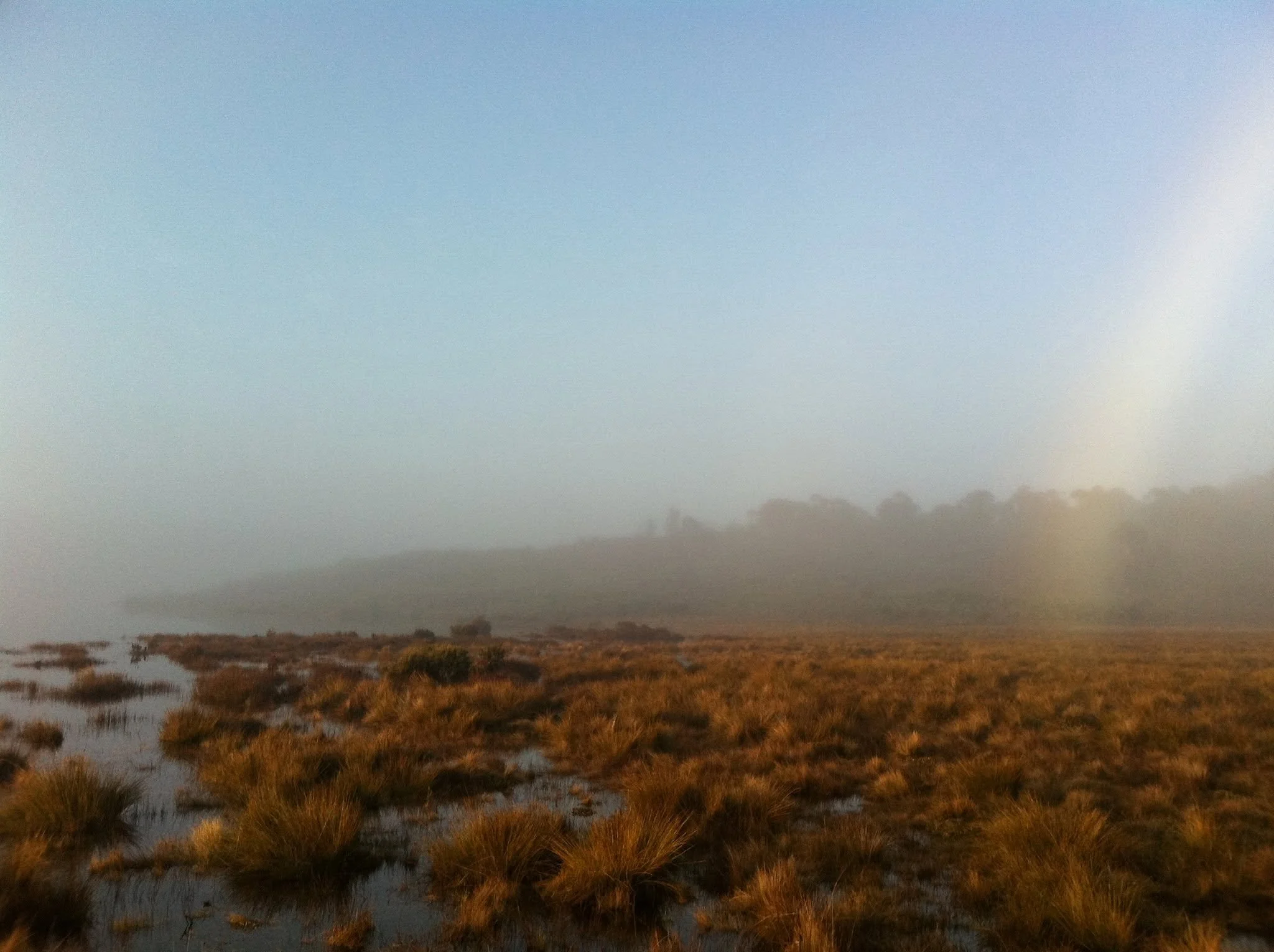
Little Pine Lagoon fishes well when it is flooded